
WordPress White Label Services — What Agencies Need to Know
Written by Manny — Founder, WPOPS
WordPress maintenance specialist with years of hands-on experience managing sites for agencies and businesses across the US and UK. Manny has maintained 300+ WordPress and WooCommerce sites and leads WPOPS care operations — staged updates, security response, and performance monitoring.
Managing client WordPress sites in-house is expensive and distracting. Here's how white label maintenance works and what to look for.
If you run a digital agency, web design studio, or marketing consultancy, you almost certainly manage WordPress sites for clients. And if you're honest, that maintenance work is probably one of the least profitable parts of your business.
It's not billable at your design or strategy rates. It's time-consuming to do properly. And when something goes wrong on a client site at 11pm, it lands on you — even if it's not your fault.
White label WordPress maintenance exists to solve exactly this problem.
What white label WordPress maintenance actually means
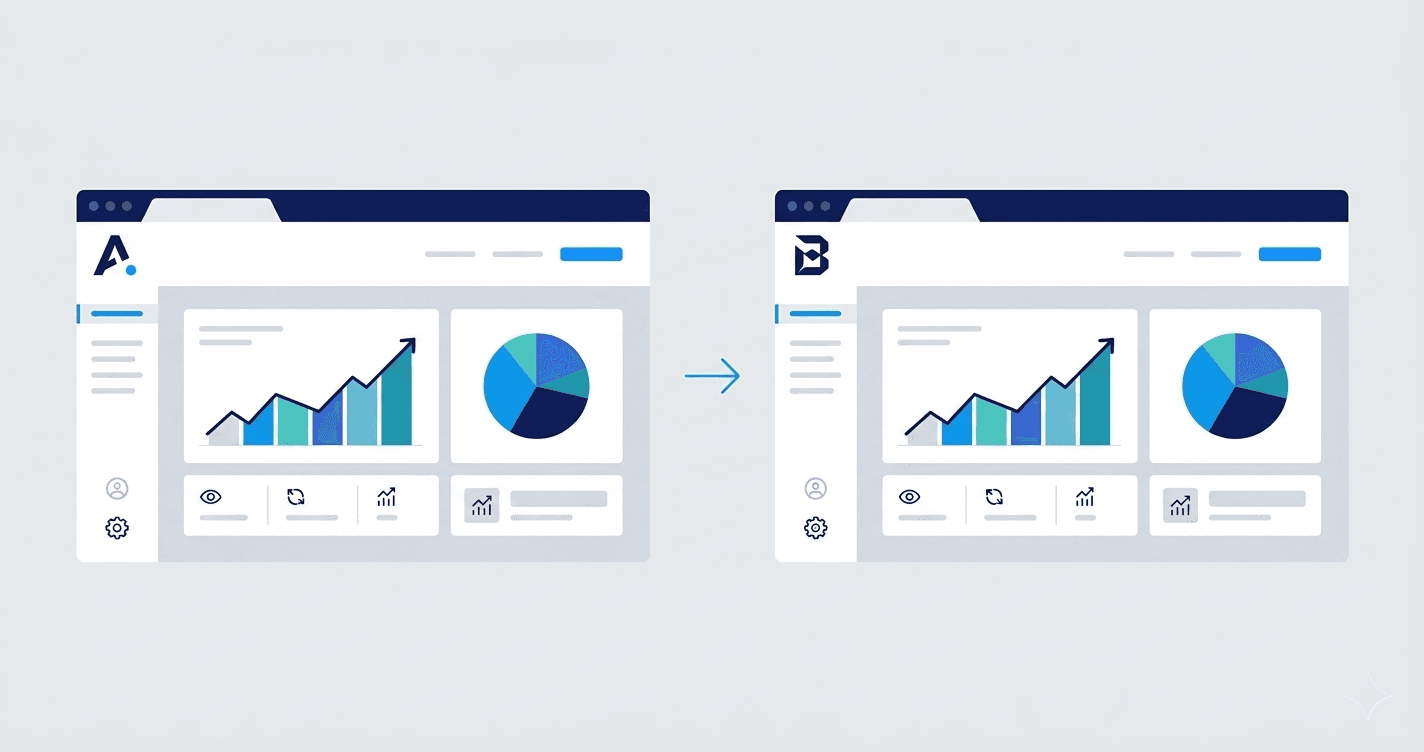
White label means a third party handles the technical WordPress work — updates, backups, security, monitoring, performance — while you present it to your clients under your own brand.
Your clients receive reports with your logo. They see your agency name on communications. They have no idea a specialist team is doing the work behind the scenes. As far as your client is concerned, your agency has a dedicated WordPress operations team.
Why agencies use white label instead of hiring in-house
Hiring a WordPress developer or site reliability person in-house is expensive. You're looking at a full salary, benefits, and management overhead for someone whose workload will fluctuate month to month.
White label lets you offer a consistent, professional maintenance service to every client without the overhead. You pay a flat monthly rate per site and charge your clients whatever your retainer structure supports. That offer is built on a full WordPress care plan delivered under your brand.
The margin math
At WPOPS, white label plans start at $79 per site per month. Most agencies bill their clients between $150 and $300 per month for maintenance retainers. The margin is straightforward and the service pays for itself with one or two clients.
More importantly, it makes your agency stickier. Clients on maintenance retainers stay longer, refer more, and are far more likely to come back for new projects.
What to look for in a white label WordPress partner
Not all white label providers are equal. Here is what actually matters: For how white-label options compare across the market, see our best WordPress maintenance services in 2026 roundup.
Branded reporting — monthly PDF and email summaries that use your logo, colors, and domain. Your client should never see the provider's name.
Reliable escalation — when something goes wrong on a client site you need a clear escalation path. Who do you contact? How fast do they respond? What's their SLA?
Staging before updates — a partner who pushes updates directly to production without testing is a liability. Insist on staged rollouts especially for WooCommerce and membership sites.
Clean communication — status updates and reports should be written for end clients, not engineers. Your clients don't want to read about database query optimisation. They want to know their site is safe and fast.
Multi-site management — if you're managing 10, 20, or 50 client sites you need a partner who can handle volume cleanly with consistent quality across the portfolio.
How the handoff works
Onboarding a client site to a white label service typically takes less than a day. You provide access credentials, the provider documents the stack, sets up monitoring and backups, and begins the first maintenance cycle.
From that point the work runs in the background. You receive a monthly summary you can forward to your client or incorporate into your own reporting.
Is white label right for your agency?
If you have more than three or four client sites on maintenance retainers, white label almost certainly makes more financial sense than handling it in-house. The time you reclaim can go toward work that actually grows your agency.
If you're just starting out and have one or two sites, you might manage fine in-house for now. But as your portfolio grows, the operational overhead of WordPress maintenance compounds quickly.
White label is how smart agencies scale their service offering without scaling their headcount.